
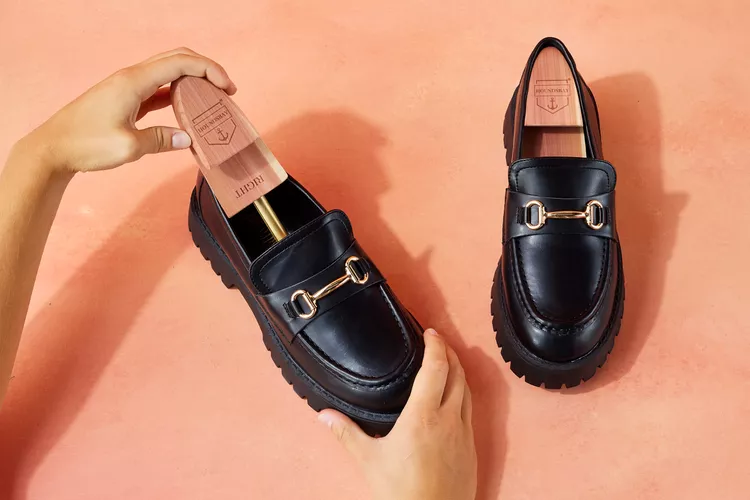
New leather shoes can feel stiff because the upper, lining, sole, and footbed haven’t yet adapted to repeated movement. Hard leather shoes usually become more flexible through controlled wear rather than aggressive bending or soaking. A patient break-in process can improve comfort while reducing the chance of damaging the material or leaving your feet sore.
Why New Leather Shoes Feel Stiff
Leather starts with its own structure and resistance. Thick uppers, reinforced heels, firm soles, and structured toe areas can all make a shoe feel rigid before it has flexed through normal walking.
Some styles are intentionally firmer than casual sneakers. Reading leather care material can provide broader context, but the most useful observation is simple: stiffness should gradually ease in areas designed to flex, not require painful endurance.
Identify Where the Resistance Comes From
Walk indoors for a few minutes and notice whether discomfort comes from the upper, heel, sole, or toe area. Different problems require different expectations.
A firm vamp may soften with wear. A shoe that’s fundamentally too narrow is unlikely to become properly sized through break-in alone.
Start With Short Indoor Wear
Wear the shoes at home for brief periods on clean surfaces. Ten or twenty comfortable minutes can reveal much more than forcing yourself through an entire workday.
As the leather repeatedly flexes around your foot, it can begin adapting to your normal movement. General shoe conditioning discussions may offer styling and care ideas, but gradual use remains safer than trying extreme shortcuts.
| Approach | What It Does | Main Caution |
|---|---|---|
| Short indoor wear | Introduces gentle flexing | Stop before irritation builds |
| Normal socks | Mimics usual fit | Don’t overstuff the shoe |
| Leather conditioner | May improve suppleness | Check material compatibility |
| Professional stretching | Targets specific tight areas | Best for suitable constructions |
Increase Wear Time Slowly
Once the shoes feel comfortable indoors, try short outdoor trips. A brief errand is better than making the first outing an eight-hour event.
Give your feet time to recover between wears if you notice pressure or rubbing. Looking through classic shoe style notes may help with outfit pairing, but appearance shouldn’t override signs that the fit itself is wrong.
Consider Conditioning Carefully
A suitable leather conditioner may help some types of leather remain supple. Test any product on a small hidden area first because finishes can darken or react differently.
Avoid saturating shoes with water, excessive oil, or household substances. These methods can affect color, adhesives, shape, or surface finish.
Know the Difference Between Stiffness and Bad Fit
Break-in can improve flexibility, but it doesn’t create unlimited extra space. Persistent toe compression, numbness, sharp pressure, or significant heel rubbing can point to a sizing or shape problem rather than normal new-shoe stiffness.
The last matters because people sometimes tolerate unnecessary discomfort believing every leather shoe requires suffering first. Good footwear may feel structured without feeling punishing.
Common Break-In Mistakes to Avoid
Trying to soften leather too quickly can cause more trouble than the original stiffness. Aggressively bending the sole, applying uncontrolled heat, soaking the upper, or wearing painfully tight shoes for hours can damage the shoe or irritate your feet.
Another mistake is expecting the shoe to expand dramatically. Leather may relax modestly in certain areas, but it won’t reliably transform a poorly sized shoe into the correct size. Break-in should refine fit, not rescue the wrong fit.
Frequently Asked Questions
How long does leather footwear take to soften?
There isn’t one fixed timeline. Leather thickness, construction, frequency of wear, walking pattern, and initial fit all affect how quickly the shoe becomes more flexible.
Can thick socks stretch leather shoes?
They may create additional pressure, but forcing feet into excessively tight shoes can be uncomfortable. Gentle professional stretching is often a more controlled option for a specific pressure point.
Should new leather shoes hurt at first?
They may feel firm or unfamiliar, but significant pain shouldn’t be treated as a normal requirement. Persistent discomfort can indicate poor sizing, unsuitable shape, or another fit problem.
Let the Leather Adapt Naturally
Structured leather footwear usually responds better to patience than force. Begin with short indoor sessions, increase wear gradually, and use appropriate care products only when suitable for the material. If pressure remains strong instead of easing, reconsider the fit rather than trying harsher break-in tricks. Good leather should adapt with wear, not demand repeated pain.