

Workplace dress codes often sound clearer on paper than they feel at 7 a.m. Terms such as business casual, smart casual, professional, and polished leave plenty of room for interpretation. The easiest way to handle confusing dress codes is to identify the formality level, observe workplace norms, and choose slightly more polished clothing when uncertainty remains.
Start With the Formality Signals You Already Have
A written policy provides the official boundaries, but daily workplace behavior provides context. Notice what managers and experienced coworkers wear during ordinary days, client meetings, presentations, and casual Fridays. Patterns often reveal more than a vague phrase such as “appropriate professional attire.”
Pay attention to industry as well. A law office, creative agency, technology company, medical administration department, and luxury retailer may all interpret business casual differently.
You can collect fashion reference pages for visual ideas, but workplace expectations should always outweigh general fashion inspiration. An outfit can look excellent and still be too relaxed for a particular setting.
Separate Permission From Good Judgment
A garment being allowed doesn’t automatically make it the strongest choice for every situation. Jeans may be permitted, for example, yet darker, cleanly finished denim could be safer for a meeting than heavily faded or distressed styles.
Think about what your day includes before dressing. Internal desk work gives you more flexibility than interviewing candidates, meeting a client, or representing your employer at an outside event.
Translate Common Dress-Code Terms Into Clothing Choices
Business professional usually points toward structured clothing such as suits, tailored separates, conservative dresses, polished shoes, and restrained accessories. Business casual typically removes some formality while keeping the outfit neat and workplace-oriented.
Smart casual can be harder because it mixes relaxed pieces with intentional styling. A knit polo with tailored trousers or a simple blouse with clean, structured pants may work better than combining multiple casual items.
People browsing wardrobe inspiration online will see countless interpretations, so it helps to judge each idea against your actual workplace rather than copying it directly.
| Dress Code | Useful Starting Point | Watch For |
|---|---|---|
| Business professional | Tailored separates | Overly casual footwear |
| Business casual | Polished basics | Distressed clothing |
| Smart casual | Relaxed plus structured | Too many casual pieces |
| Casual | Clean everyday clothing | Looking careless |
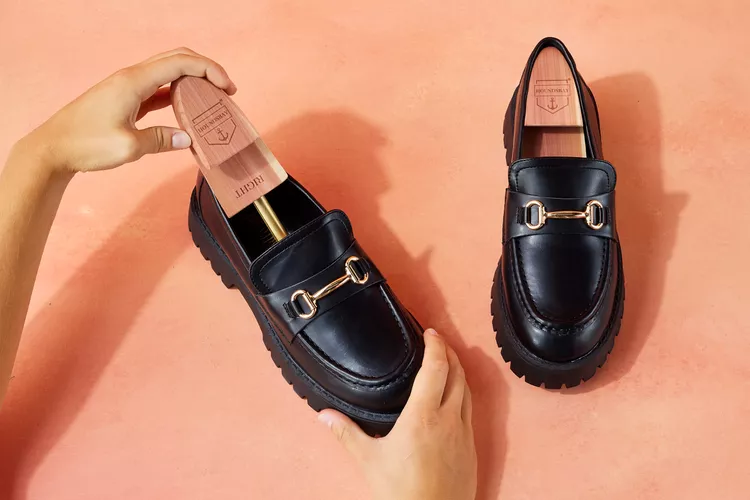
Footwear often clarifies the outfit. Even relaxed clothing tends to appear more intentional when shoes are clean, suitable for the setting, and visually connected to the rest of the look.
Use Context When the Rules Leave Gray Areas
Season, location, workplace culture, and event type can all change what feels appropriate. A summer office may allow lighter fabrics and more relaxed silhouettes, while an important presentation may call for added structure even if the official dress code remains unchanged.
If you’re new, being slightly overdressed is often easier to correct than arriving noticeably underdressed. After observing the workplace for several days, you can adjust.
Looking through dress-code style resources may help with combinations, yet context should remain the final filter. Clothing that works in one office can feel completely wrong in another.
Keep a Reliable Backup Outfit
Maintain one combination that sits near the polished end of your workplace’s normal range. It becomes useful for unexpected meetings, presentations, visiting executives, or days when the calendar changes without warning.
Where Dress-Code Interpretation Often Goes Wrong
The biggest mistake is focusing on one garment instead of the entire outfit. Sneakers might be acceptable, but combining them with distressed jeans, a graphic T-shirt, and an oversized hoodie may shift the total look beyond what the workplace intended.
Another problem is assuming coworkers define the official limit. Someone else may take more fashion risks, have a different role, or simply ignore the policy. Use observation as context rather than unquestionable permission.
Frequently Asked Questions
What should I wear if a dress code says business casual?
Start with tailored trousers, chinos, modest skirts, simple dresses, collared shirts, blouses, knitwear, and clean professional-looking shoes. Then adjust the level of formality based on what people in your workplace normally wear.
Is it better to be overdressed or underdressed at work?
When you genuinely don’t know the expectations, slightly more polished clothing is usually easier to adapt. A blazer can be removed or sleeves rolled, while an outfit that starts too casual may be harder to correct.
Can sneakers work with professional dress codes?
Sometimes. Minimal, clean sneakers may fit relaxed business-casual or smart-casual offices, but they may be unsuitable in more traditional professional environments. Workplace policy and established norms should guide the decision.
Dress for the Situation, Not the Label
Dress-code terminology is useful, but it can’t account for every office or event. Look at the written rules, workplace culture, your responsibilities that day, and the overall formality of the outfit. When the signals conflict, choose a slightly cleaner and more structured option until you understand what the workplace actually expects.