
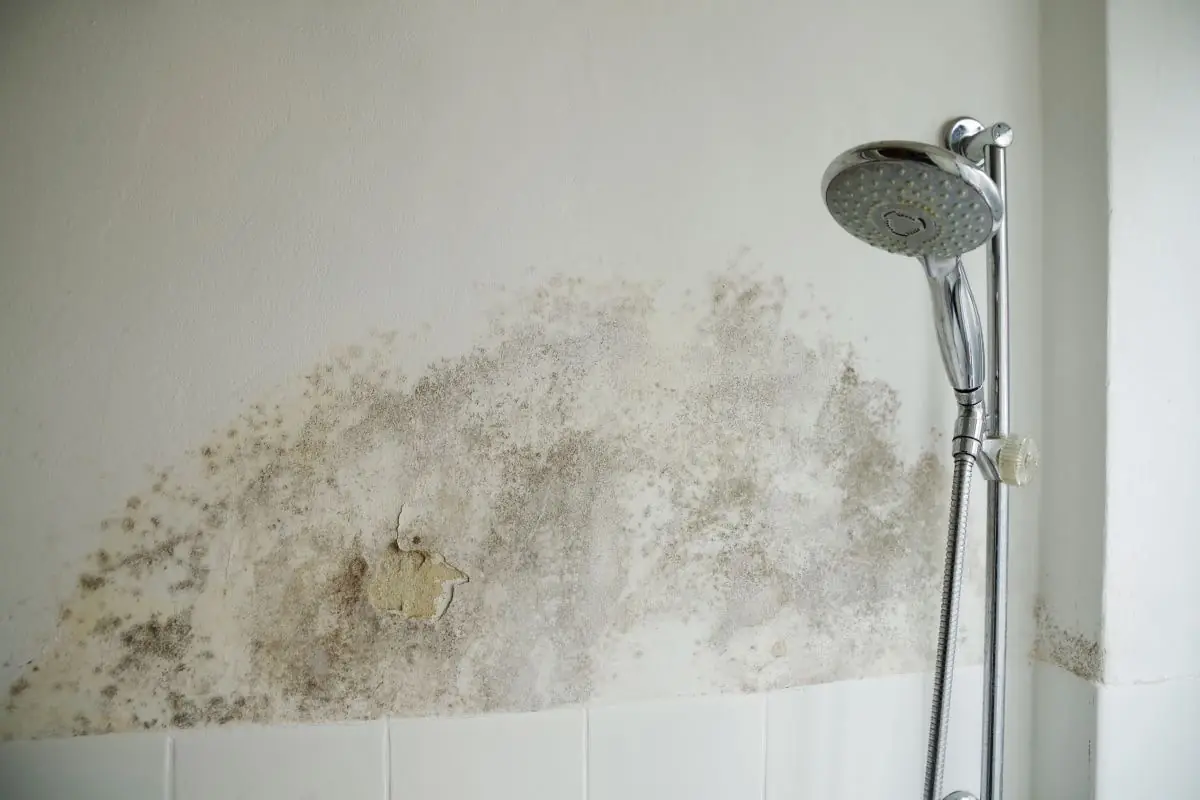
Dark spotting around shower corners usually thrives where moisture remains trapped after bathing. Removing moldy shower corners effectively means doing two jobs: cleaning the visible growth and correcting the damp conditions that helped it return. A quick scrub may improve appearance, but ventilation, drying, and damaged caulk often determine whether the problem comes back.
First Identify the Surface You’re Cleaning
Mold on glazed tile is different from staining that has penetrated silicone caulk, grout, drywall, or another porous material. Hard surfaces can often be cleaned, while badly contaminated or deteriorated caulk may need replacement.
Bathroom layouts that trap moisture deserve special attention. Looking at bathroom design context can highlight why enclosed corners, deep ledges, and poorly ventilated zones tend to remain damp longer than open surfaces.
Before cleaning, ventilate the bathroom and wear gloves. Never mix bleach with ammonia, vinegar, acids, or other household cleaners because dangerous gases can result.
Clean Small Surface Areas Carefully
Start with warm water and a mild household detergent on washable surfaces. Apply the cleaner according to its label, allow enough contact time to loosen residue, then scrub gently with a nylon brush or cloth.
General everyday cleaning inspiration may offer organizational ideas, but mold removal should stay simple: use products only as directed, avoid combining chemicals, and keep fresh air moving through the room.
| Area | Useful First Step | Possible Next Move |
|---|---|---|
| Glazed tile | Detergent and scrubbing | Rinse and dry |
| Grout | Gentle brush cleaning | Inspect for damage |
| Silicone caulk | Clean surface growth | Replace if deeply stained |
| Painted wall | Assess moisture source | Repair if damaged |
Know When Caulk Needs Replacement
Silicone can remain stained even after surface growth is removed. If black discoloration appears beneath the sealant, the caulk is separating, or water is slipping behind the joint, replacement may be more effective than repeated scrubbing.
Useful bathroom upkeep references can help with finish and material choices, but the underlying rule is straightforward: damaged seals should not be treated as cosmetic problems. Water entering behind tile or fixtures can create hidden moisture.
Remove old caulk only after the area is clean and fully dry, then follow the replacement product’s preparation and curing instructions.
Prevent Moisture From Lingering
Run the exhaust fan during bathing and for a period afterward according to the fan manufacturer’s guidance. If the room has a window and conditions allow, opening it can also help exchange humid air.
Use a squeegee on shower walls and wipe persistent puddles from corners or ledges. Keep bottles and accessories from blocking drainage or air movement.
A bathroom that stays damp for hours after every shower needs more than stronger cleaner. Check ventilation performance, leaking plumbing, cracked grout, and failed seals.
What People Often Get Wrong About Shower Mold
More chemical isn’t always better. Using several cleaners together can create a serious safety hazard, while aggressive scrubbing may damage grout, sealant, or painted surfaces.
Another common mistake is treating recurring growth without finding the moisture source. If the same corner darkens repeatedly, inspect for slow leaks, poor drainage, condensation, or failed caulk. Visible cleaning handles the surface; moisture control handles the reason the problem keeps returning.
Frequently Asked Questions
Why does mold keep returning in my shower corners?
Persistent moisture is usually the main factor. Poor ventilation, standing water, failed caulk, leaking fixtures, or surfaces that remain damp after bathing can create conditions where mold repeatedly develops.
Should stained shower caulk be cleaned or replaced?
Surface staining may respond to cleaning, but deeply discolored, cracked, loose, or deteriorating silicone often needs replacement. Fix any leak or moisture problem before applying new caulk.
Is it safe to mix different bathroom mold cleaners?
No. Household cleaners should not be mixed unless a manufacturer explicitly says they can be combined. In particular, bleach must never be mixed with ammonia or acidic cleaners because dangerous gases may form.
Keep the Corner Dry After Cleaning
Once the visible growth is gone, focus on what happens after every shower. Improve ventilation, move water off ledges, repair failing seals, and watch for leaks. If mold covers a large area, keeps spreading, or appears connected to hidden water damage, consider professional assessment rather than repeatedly treating only the visible surface.