

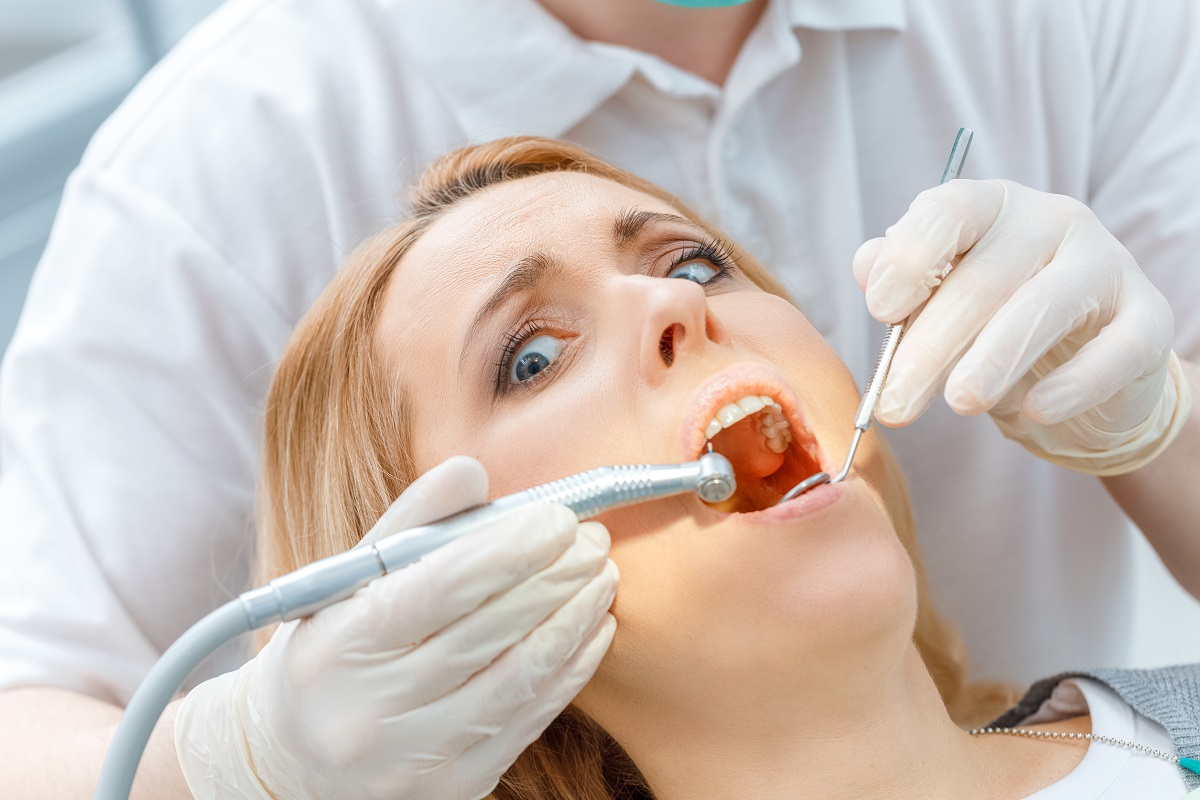
A painful toothache usually signals that something in or around a tooth needs attention. Pain may fade temporarily, but that doesn’t prove the underlying problem has resolved. Decay, inflammation, infection, damaged dental work, or injury can all produce discomfort, making dental evaluation important when pain persists, returns, or becomes more intense.
Why Can a Toothache Become So Painful?
Tooth pain can develop as decay moves deeper into a tooth or when tissues around the tooth become inflamed. Advanced decay may lead to sensitivity, toothache, or infection.
NIDCR explains that untreated tooth decay can progress from enamel damage to pain and infection, including an abscess in some cases. NIDCR tooth-decay information
Pay Attention to the Pain Pattern
A dentist will often want to know whether pain is constant, triggered by chewing, associated with temperature, or waking you from sleep. Those details don’t provide a diagnosis by themselves, but they can help narrow the investigation.
People searching through different web reading habits may see many explanations for tooth pain. Online descriptions can’t show whether a filling has failed, a tooth is cracked, or decay has reached deeper structures.
Don’t Let Temporary Relief Delay Care
A toothache that settles and then returns can still require treatment. Avoid assuming that a pain-free period means the tooth healed on its own.
Nonclinical lifestyle pages may offer general comfort ideas, yet temporary symptom relief doesn’t remove decay, repair a fracture, or treat a dental infection.
| Pain Pattern | Possible Context | Practical Response |
|---|---|---|
| Pain when biting | Tooth or surrounding tissue irritation | Arrange evaluation |
| Hot/cold sensitivity | Several dental causes possible | Track triggers |
| Persistent throbbing | Deeper irritation may be present | Seek dental care |
| Pain with swelling | Infection may be possible | Get prompt assessment |
What Happens During Dental Evaluation?
A dentist may inspect the tooth and gums, ask about the pain pattern, check the bite, and use dental X-rays when appropriate. The goal is to find the source rather than treating every toothache as the same problem.
Comparing symptoms across general interest resources cannot replace that examination. Several dental problems produce similar sensations even though their treatment may differ.
Why Self-Diagnosing Tooth Pain Can Go Wrong
Pain intensity doesn’t always reveal how serious the dental problem is. A small-looking defect may cause strong sensitivity, while a badly damaged tooth may sometimes hurt less after nerve tissue changes.
Another mistake is repeatedly waiting for pain to disappear. Tooth decay doesn’t rebuild a cavity once permanent structural damage has formed, and infection generally requires professional dental care.
Signs That Need Faster Attention
Contact a dentist promptly for persistent or severe toothache, fever, a bad taste with swelling, or swelling of the face or jaw. If swelling in the mouth or neck makes breathing, swallowing, or speaking difficult, emergency evaluation is appropriate. NHS guidance identifies those airway-related symptoms as reasons for immediate emergency care.
Don’t wait for an online answer when swelling is affecting breathing or swallowing.
Frequently Asked Questions
Can a toothache disappear without treatment?
Pain can temporarily decrease, but the cause may remain. A dental examination is sensible when pain has been persistent, severe, or repeatedly returns.
Does every toothache mean there is a cavity?
No. Decay is one possible cause, but cracks, gum problems, damaged restorations, infection, and other dental conditions can also produce pain.
Why does my tooth hurt when I bite?
Biting pain may occur with several problems involving the tooth or surrounding tissues. Because the sensation isn’t specific to one diagnosis, a dentist may need to examine the area.
Get the Cause Checked Before It Escalates
A toothache is best treated as a signal rather than something to repeatedly silence and ignore. Track what triggers it, avoid assuming temporary relief means recovery, and arrange dental care when pain persists, worsens, or keeps returning. Earlier evaluation can make it easier to identify the actual dental problem.
This article is for general informational purposes and is not a substitute for professional medical advice, diagnosis, or treatment.