

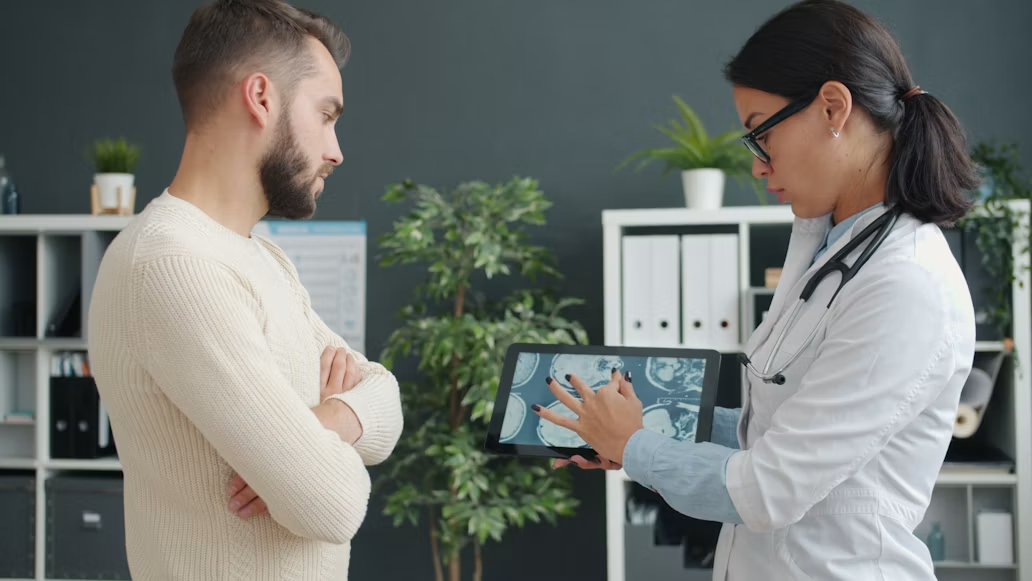
Access to timely healthcare can be important when an illness, minor injury, or unexpected health concern occurs. Not every medical issue requires a scheduled appointment with a primary care provider or a visit to an emergency department. A walk in medical office can offer convenient access to healthcare professionals for many non-emergency conditions. These facilities can be especially useful for people who need prompt attention while maintaining a flexible approach to routine healthcare.
1. Convenient Access to Healthcare
One of the biggest advantages of a walk-in facility is convenience. Patients may be able to receive medical attention without arranging an appointment several days in advance.
A walk in medical office can be helpful when symptoms appear unexpectedly or when a regular healthcare provider is unavailable. Patients should check the facility’s hours and policies before visiting because availability can vary.
2. Treatment for Minor Illnesses
Walk-in facilities can often evaluate common, non-emergency illnesses and symptoms. Depending on the services offered, these may include colds, sore throats, flu-like symptoms, allergies, mild infections, and similar concerns.
Healthcare professionals can assess the patient’s condition and recommend appropriate treatment or follow-up care based on their evaluation.
3. Care for Minor Injuries
Minor injuries can occur at home, at work, or during recreational activities. A walk-in facility may be able to evaluate issues such as minor cuts, sprains, strains, bruises, or other uncomplicated injuries.
Visiting a walk in medical office can provide an accessible option when an injury needs professional assessment but does not appear to require emergency-level treatment.
4. Helps Avoid Unnecessary Emergency Visits
Emergency departments are designed for serious and potentially life-threatening medical conditions. Visiting an emergency department for a minor concern may involve longer waits and greater expense.
For suitable non-emergency issues, a walk-in medical office may provide a more appropriate setting for evaluation. However, patients with severe or life-threatening symptoms should seek emergency medical care immediately.
5. Flexible Healthcare Options
Busy schedules can make traditional medical appointments difficult to arrange. Many walk-in facilities offer flexible hours, although exact schedules vary by location.
This can make it easier for people to seek care around work, school, family responsibilities, and other commitments. Flexible access can also be useful when a health concern develops outside normal primary-care hours.
6. Access to Basic Medical Services
Depending on the facility, walk-in offices may offer services such as vaccinations, basic health screenings, physical examinations, or certain diagnostic tests.
These services can make walk-in healthcare useful for a variety of everyday medical needs. Patients should contact the facility in advance to confirm whether the specific service they need is available.
Final Thoughts
A walk in medical office can be a convenient healthcare option for people dealing with many minor illnesses, injuries, and routine medical needs. Flexible access, professional assessment, basic services, and timely guidance can make these facilities valuable when a scheduled appointment is not practical. However, walk-in care is not a substitute for emergency treatment. Patients should consider the severity of their symptoms and the services available at the facility, while seeking immediate emergency care for serious or life-threatening conditions.