A horn that suddenly stops working usually has a relatively small electrical fault somewhere in its circuit. The horn itself can fail, but checking the fuse, relay, connections, and wiring first often prevents unnecessary replacement.
Because the horn is an important warning device, a failure deserves attention rather than being ignored until the next inspection.
Start With the Simplest Horn Circuit Checks
Press the horn while listening carefully. Complete silence suggests a power-supply, switch, wiring, relay, or horn-unit problem.
If the horn sounds weak or intermittent, poor connections or a deteriorating horn assembly become more likely. Battery condition can also influence electrical accessories if system voltage is unusually low.
General troubleshooting discussions found through online reference material can offer ideas, but circuit checks should follow the vehicle’s actual wiring layout.
Inspect the Horn Fuse First
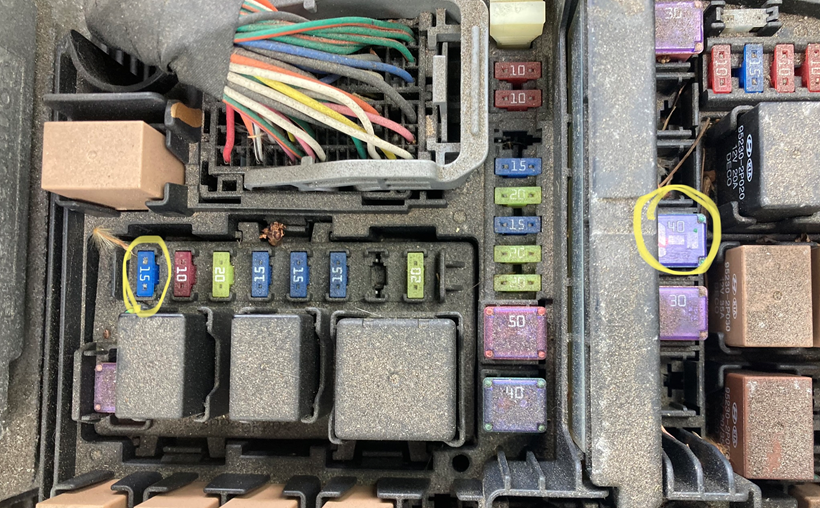
The fuse is one of the fastest components to inspect. Vehicle manuals or fuse-box diagrams usually identify the horn circuit and the correct fuse position.
A blown fuse should not automatically be treated as the entire problem. If the replacement fails again, the circuit may contain a short, damaged wire, or failing component that is drawing excessive current.
| Component | Possible Failure | Typical Check |
|---|---|---|
| Fuse | Open circuit | Inspect and test |
| Relay | Internal contact failure | Swap or test |
| Horn unit | Failed diaphragm or coil | Check power and ground |
| Wiring | Broken or corroded connection | Inspect circuit |
Check the Relay and Horn Unit
Relays allow a low-current control circuit to operate a higher-current accessory. If the horn relay fails, pressing the steering-wheel switch may produce no horn response.
Some drivers use general troubleshooting reading while deciding what to inspect, but replacing a relay without testing can still miss a wiring or control-side problem.
Where an identical approved relay is used elsewhere in the fuse box, technicians may sometimes use comparison testing to help isolate the fault.
Wiring and Ground Connections Matter
The horn is usually mounted toward the front of the vehicle, where moisture, road spray, and vibration can affect connectors. Corrosion around the electrical terminal or ground connection can interrupt current flow.
Tracing broader web information may introduce many possible causes, yet physical inspection remains especially useful around exposed connectors and harness sections.
Damage after front-end repairs or minor collisions can also disturb horn wiring.
Steering-Wheel Controls Add Another Layer
If the fuse, relay, horn unit, and accessible wiring are good, the control side may require investigation. The steering-wheel horn switch or associated clock-spring circuitry can sometimes be involved.
Components around an airbag-equipped steering wheel require care. Avoid dismantling airbag-related areas without the correct service procedure and safety precautions.
Mistakes That Can Complicate Diagnosis
Installing a larger fuse to stop repeated fuse failure is unsafe. A fuse protects wiring, and increasing its rating can allow excessive current to heat wires before protection occurs.
Another mistake is replacing the horn before confirming it receives power and has a usable ground. A perfectly good replacement horn will remain silent if the electrical fault lies elsewhere.
Frequently Asked Questions
Why does my horn work only sometimes?
Intermittent operation can result from loose connections, corrosion, worn contacts, damaged wiring, a failing relay, or a control-side problem that changes as the steering wheel moves.
Can a blown horn fuse indicate a short circuit?
Yes. A fuse may fail because of a temporary overload, but repeated failure after replacement strongly suggests that the circuit needs inspection rather than additional fuses.
Can I drive when the horn doesn’t work?
The vehicle may still operate mechanically, but the horn is an important warning device and may also be required by local roadworthiness rules. Repairing it promptly is sensible.
Restore the Entire Circuit, Not Only the Horn
A silent horn doesn’t automatically mean the horn assembly has failed. Start with the fuse and relay, confirm power and ground, inspect exposed wiring, and move toward the control circuit only when simpler checks pass.
Systematic testing usually finds the fault faster and reduces the chance of replacing working components.