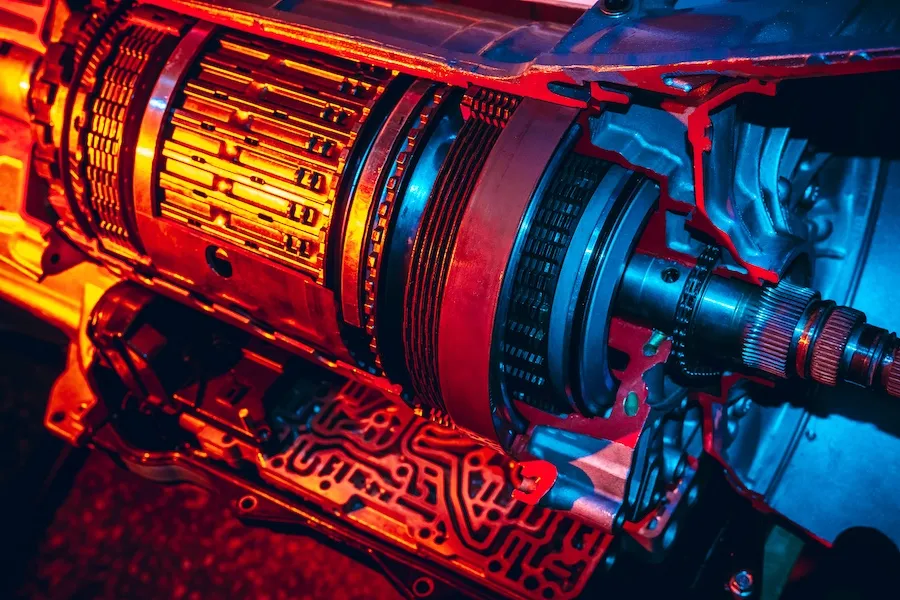
A new whining sound from the gearbox shouldn’t automatically be dismissed as normal transmission noise. Gearbox whining noise can develop when bearings, gears, lubrication, or related drivetrain components no longer operate as smoothly as intended. The sound pattern often provides useful clues about where technicians should begin looking.
Listen for When the Whine Appears
The most useful observation is often not how loud the noise is, but when it occurs. A whine that changes with vehicle speed points in a different direction from one that appears only in a particular gear.
Listen during acceleration, steady cruising, and deceleration. Note whether the sound disappears when the clutch is pressed or when the transmission shifts into another gear.
One Gear Versus Several Gears
Noise isolated to one gear may suggest wear involving that gear set. A whine across several gears can make lubricant level, shaft bearings, or other shared components more relevant to the diagnosis.
Bearings Can Change Gear Alignment
Transmission shafts depend on bearings to stay properly supported. When a bearing develops wear or excessive clearance, shaft position can change enough to alter how gears mesh.
A broader approach to fleet drivetrain maintenance can help identify developing noises during routine inspections rather than waiting for severe drivability symptoms. Early diagnosis matters because bearing deterioration may affect other internal parts if movement continues.
Lubrication Deserves an Early Check
Transmission fluid or gear oil helps reduce friction, manage heat, and protect internal surfaces. A low level can increase mechanical noise and accelerate wear.
Following a consistent vehicle maintenance schedule makes fluid checks easier to remember, particularly on high-mileage vehicles. If the level is low, the important question is where the lubricant went because transmissions generally shouldn’t require constant topping up.
| Noise Pattern | Possible Concern | What to Inspect |
|---|---|---|
| Whine in one gear | Specific gear wear | Gear set and bearings |
| Whine in all gears | Shared component issue | Bearings and lubricant |
| Noise on acceleration | Loaded gears or shafts | Internal drivetrain |
| Noise during coast | Bearing/gear contact | Shaft play and wear |
Don’t Overlook Noise Outside the Gearbox
Wheel bearings, differential components, tires, and engine-driven accessories can create sounds that drivers initially blame on the transmission. Diagnosis should therefore involve reproducing the noise under controlled conditions.
Information about tire inspection and care can be relevant when separating road-speed noises from transmission-related sounds. Tire tread patterns, for example, may create humming that rises with speed but isn’t caused by gearbox internals.
A technician may also lift the vehicle safely and inspect for play or abnormal sound in other rotating components before recommending transmission work.
Where Gearbox Noise Diagnosis Goes Wrong
Replacing transmission parts based solely on a description such as “it whines at 40 mph” is risky. Several components rotate at road speed, and sound can travel through the vehicle structure.
Another mistake is changing fluid and assuming the problem is solved because the sound becomes quieter. Fresh lubricant cannot restore a damaged bearing or worn gear surface. If the noise persists or returns, the underlying mechanical condition still needs attention.
Frequently Asked Questions
Does gearbox whining always mean the transmission is failing?
No. Transmission bearings and gears are possible causes, but differential components, wheel bearings, tires, fluid level, and other rotating parts can create similar sounds. Proper diagnosis should identify the source before major repairs begin.
Can low transmission fluid cause a whining noise?
It can. Insufficient lubrication may increase friction and mechanical noise inside some transmissions. A low level should also prompt an inspection for leakage or another reason the fluid has dropped.
Is it safe to drive with a whining gearbox?
That depends on the cause and severity. A new or rapidly worsening whine, especially when accompanied by difficult shifting, vibration, leakage, or grinding, should be inspected rather than ignored.
Find the Noise Before Damage Spreads
A gearbox whine is a symptom, not a diagnosis. Record when it appears, check lubricant condition and level, and rule out nearby rotating components before authorizing internal repairs. If bearing or gear wear is responsible, finding it while the transmission still shifts normally can prevent a smaller mechanical problem from turning into broader internal damage.