Low tire pressure changes more than the appearance of a tire. An underinflated tire flexes more as it rolls, which can affect steering response, increase heat buildup, accelerate uneven wear, and make the vehicle work harder to move down the road.
Regular pressure checks are one of the simplest ways to support predictable handling and efficient driving.
Why Tire Pressure Drops
Tires naturally lose small amounts of air over time. Temperature changes can also alter pressure, which is why a warning light sometimes appears after a sharp change in weather.
Slow leaks are another possibility. Drivers reading general vehicle ownership information should remember that repeated pressure loss deserves investigation rather than endless topping off, since a puncture, valve problem, or wheel-related leak may be involved.
Temperature Changes Matter
Air pressure inside a tire varies as temperatures change. A tire that seemed properly inflated during warmer weather may read lower after colder conditions arrive.
For that reason, pressure should be checked when the tires are cold and compared with the vehicle manufacturer’s recommended figure rather than a number chosen at random.
How Low Pressure Affects Driving
Underinflation increases the amount of tire that deforms while rolling. That extra movement can make steering feel less crisp and may contribute to increased rolling resistance.
Fuel economy can suffer because the engine must overcome that added resistance. Broader transport and maintenance resources often emphasize efficiency, but tire pressure is one of the few areas where a simple maintenance habit can influence efficiency, tire life, and driving behavior at the same time.
| Pressure Issue | Possible Effect | What to Do |
|---|---|---|
| Slightly low | More rolling resistance | Inflate correctly |
| Repeatedly low | Possible slow leak | Inspect tire and valve |
| Uneven pressures | Handling may feel inconsistent | Correct all four |
| Warning light stays on | Pressure or system issue | Check manually |
Use the Correct Pressure Reference
The number molded onto a tire sidewall is not normally the target inflation pressure for the vehicle. The recommended cold pressure is generally listed on a vehicle information label, commonly located around the driver’s door area, and may also appear in the owner’s manual.
That distinction prevents a common mistake. People exploring driving and car-care topics can benefit from treating the vehicle manufacturer’s specification as the starting point rather than copying pressure from another car or guessing based on how firm the tire looks.
Visual Inspection Isn’t Enough
Modern tires can appear reasonably normal even when pressure is lower than recommended. Looking at the sidewall from a few feet away cannot replace a gauge.
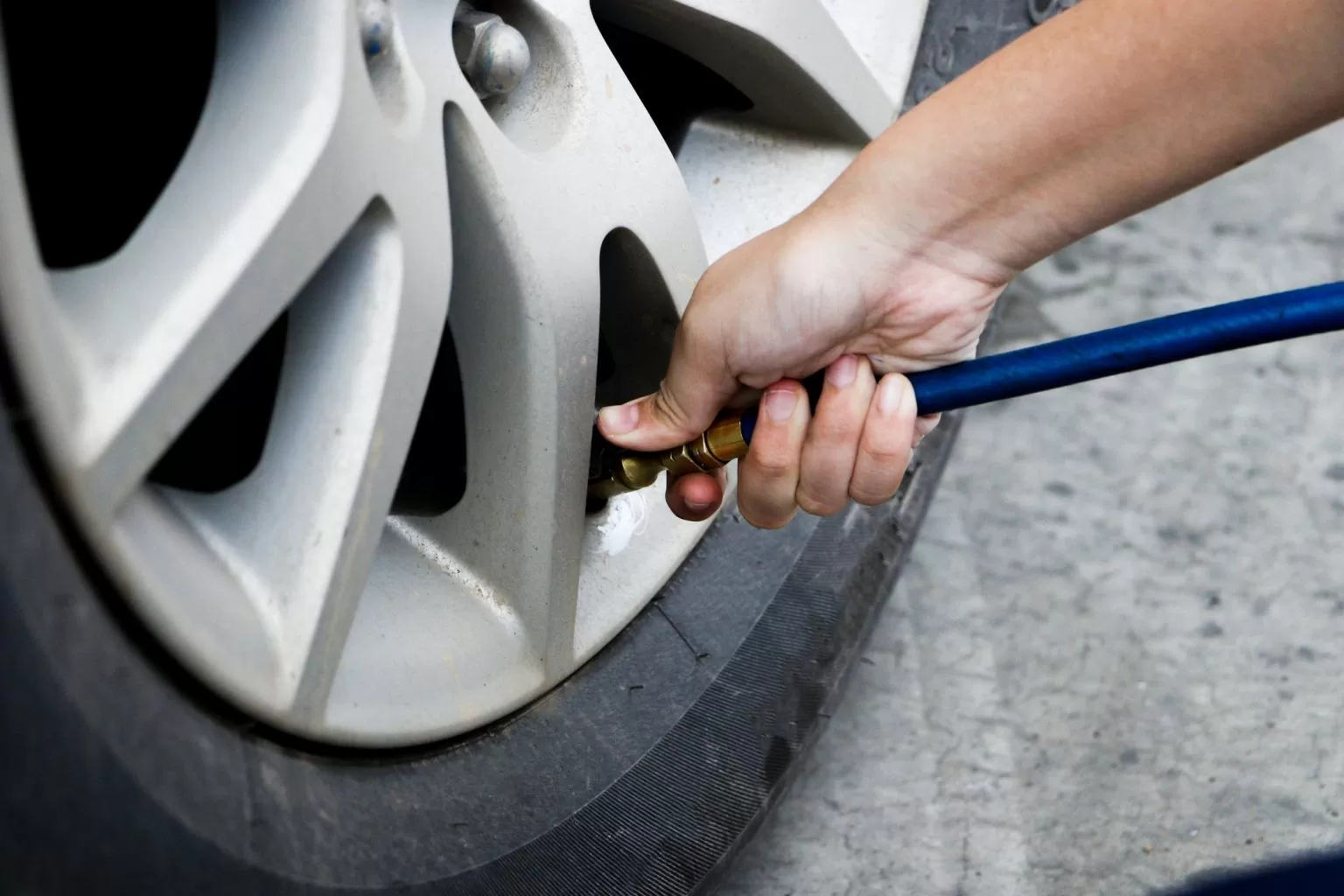
A simple pressure gauge gives useful information quickly. Check all four tires rather than assuming they lose air at the same rate.
Mistakes That Can Create New Problems
Overinflating a low tire is not a sensible way to compensate for future air loss. Excess pressure can change ride quality and the way the tire contacts the road.
Another mistake is repeatedly resetting or ignoring a tire-pressure warning without checking the tires manually. Warning systems are useful, but a physical pressure check helps confirm what is actually happening and may reveal that only one tire is losing air.
Frequently Asked Questions
Should tire pressure be checked when tires are hot or cold?
Cold readings are generally preferred because driving heats the tires and temporarily changes pressure. Checking before a trip or after the vehicle has been parked provides a more consistent reference.
Why does my tire-pressure light appear during cold weather?
A drop in temperature can reduce tire pressure enough to trigger the monitoring system. Check each tire with a gauge and adjust pressures according to the vehicle manufacturer’s recommendation.
What if one tire keeps losing pressure?
Repeated loss can point to a puncture, leaking valve, wheel sealing issue, or other problem. The tire should be inspected rather than continually reinflated without finding the cause.
Make Pressure Checks Part of Routine Maintenance
Correct inflation supports tire wear, steering response, and efficient operation without requiring complicated maintenance. Check pressures regularly, use the vehicle’s recommended specification, and investigate any tire that repeatedly loses air. A few minutes with a gauge can prevent a minor pressure problem from becoming a larger tire or handling concern.