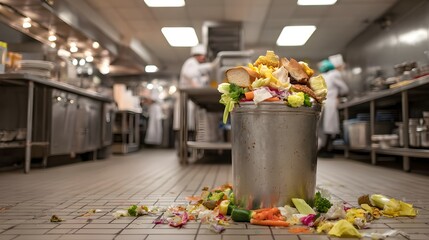
Overflowing kitchen trash usually signals more than a small garbage can. Packaging, recycling, food scraps, and everyday waste may all be competing for the same limited space. A cleaner setup separates those waste streams and makes disposal easy enough that clutter doesn’t collect beside the bin.
Find Out What Is Filling the Area
Before buying another container, look at what actually accumulates. Large cardboard packages, beverage containers, and recyclable food boxes can consume space quickly even when the amount of true household garbage is modest.
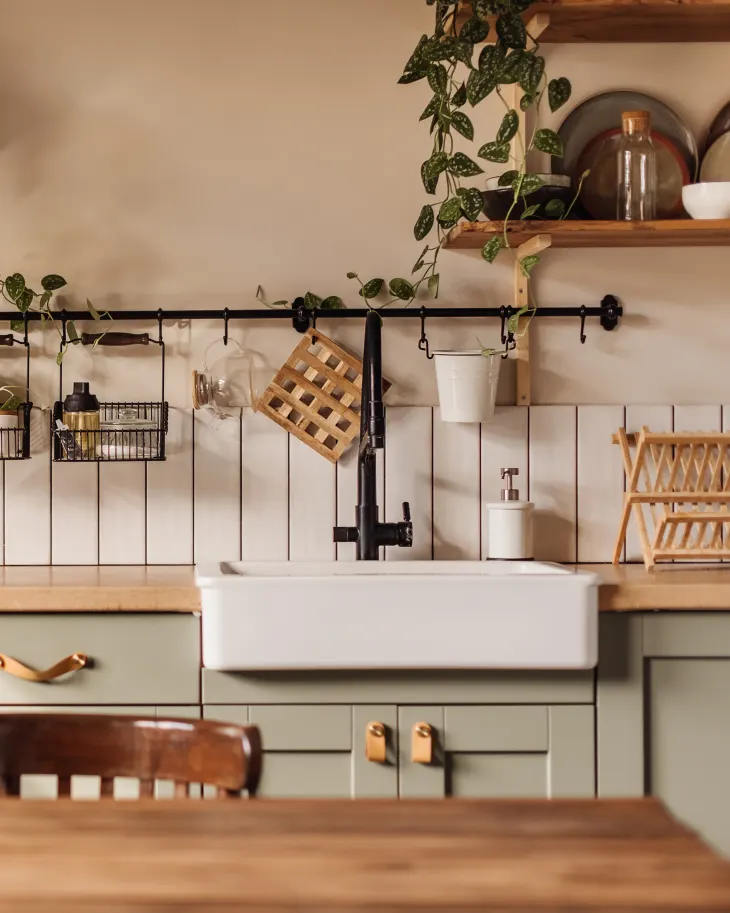
Browsing kitchen organization topics can also reinforce an important point: the waste area should be designed as part of the kitchen workflow rather than treated as an afterthought. Placement affects whether people use the system consistently.
Separate Bulky Items Early
Flatten cardboard soon after unpacking groceries. Rinse recyclable containers when appropriate and move them into a separate bin instead of allowing them to occupy valuable trash capacity.
Food packaging often looks like a volume problem when it is really a sorting problem.
Give Each Waste Type a Clear Destination
A simple two- or three-container system can prevent one overflowing bin from becoming a permanent kitchen feature. General trash, recycling, and compostable scraps should have distinct locations when local disposal rules support those categories.
Ideas from organized home routines can translate well to waste control because a system works only when it is convenient. If recycling requires walking through several rooms, people are more likely to leave bottles and cartons on the counter.
| Waste Type | Typical Clutter Problem | Better Setup |
|---|---|---|
| General trash | Bin fills too fast | Correctly sized container |
| Recycling | Bottles beside bin | Separate recycling station |
| Cardboard | Boxes pile up | Flatten immediately |
| Food scraps | Odor and mess | Small lidded scrap container |
Use the Space Around the Bin More Wisely
The surrounding area matters almost as much as the trash container. A narrow pull-out cabinet, nearby recycling basket, or designated bag-storage spot can keep the entire zone controlled.
Visual organization concepts from home wall and style ideas may also inspire ways to keep utility zones visually quieter. Concealed storage is helpful, but accessibility should come first because an inconvenient hidden bin quickly becomes an unused one.
Keep replacement liners close to the trash area. That small change removes one of the excuses for allowing an already-full bag to remain in place.
Where Waste Systems Commonly Fail
Buying a huge trash can seems like the easiest solution, yet it can create another problem. Larger bags may remain indoors longer, increasing odor while encouraging more unsorted waste.
Another failure point is creating too many categories. A complicated five-bin system can frustrate a household that would reliably use only two or three. Match the setup to local recycling requirements and actual household habits rather than building a system that looks organized but isn’t practical.
Frequently Asked Questions
How often should kitchen trash be emptied?
Empty it before the bag becomes difficult to remove or begins producing noticeable odors. Food-heavy waste may need more frequent removal than mostly dry household trash, even when the container isn’t completely full.
Where should recycling be stored in a small kitchen?
Use a slim bin beside the main trash container, a pull-out cabinet, or another nearby space that doesn’t block movement. Convenience is important because distant recycling storage often leads to counter clutter.
How can I reduce kitchen trash volume?
Flatten packaging, separate recyclables, choose products with less unnecessary packaging, and avoid placing large empty containers directly into the main bin. These small habits can significantly reduce how quickly the trash area fills.
Build a Waste Routine That Stays Manageable
A tidy trash zone depends more on sorting and convenience than on hiding everything behind a cabinet door. Give common waste types obvious destinations, remove bulky packaging early, and keep supplies nearby. The goal is a disposal system people can follow automatically during normal kitchen routines.