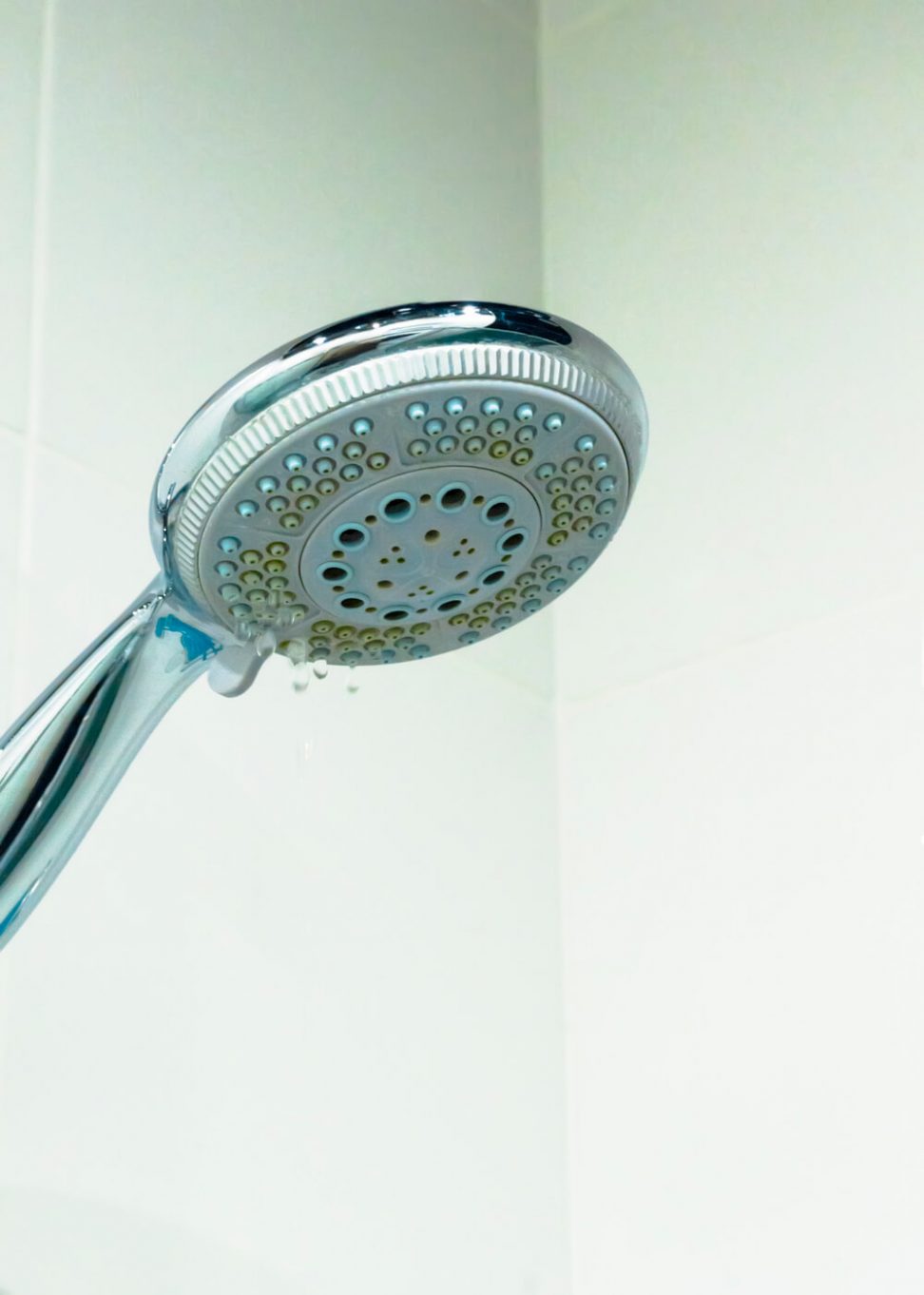
A shower head that keeps dripping after the water is turned off may have a simple explanation, but persistent dripping often points deeper into the shower valve. Before buying replacement parts, determine whether you’re seeing leftover water draining from the head or a continuous leak.
That distinction can save unnecessary work and help you repair the correct component.
Decide Whether the Drip Is Normal or Continuous
Some shower heads hold water after use. A few drips shortly after the shower is turned off can simply be trapped water leaving the spray holes.
A drip that continues for a long period is different. Watch the shower after it hasn’t been used for a while. Fresh droplets suggest water may still be passing through the valve.
Check where the water actually appears
Look around the shower arm connection and the joint where the head attaches. Water leaking from a threaded connection requires a different fix from water emerging through the spray nozzles.
That quick inspection prevents you from cleaning or replacing the shower head when the real problem is behind the handle.
Clean Mineral Buildup From the Shower Head
Hard-water deposits can clog spray openings and cause irregular dripping or spraying. Remove the shower head when practical and clean mineral buildup according to the manufacturer’s material-care guidance.
Broader household upkeep ideas often become easier when small deposits are handled before they harden into thick scale. A soft brush can help clear loosened residue from individual nozzles without damaging their finish.
Avoid aggressive abrasives on plated or decorative surfaces because scratches can permanently change their appearance.
Inspect the Shower Head Connection
If water escapes where the shower head meets the arm, the threaded connection may need attention. Turn the shower off completely, carefully remove the head, inspect the threads, and replace damaged sealing tape where suitable before reinstalling it.
Anyone browsing bathroom setup references may focus on shower appearance, but connections hidden behind attractive fixtures still need to remain accessible and watertight.
| Drip Location | Possible Cause | First Check |
|---|---|---|
| Spray nozzles | Valve seepage | Observe after several hours |
| Threaded joint | Loose connection | Inspect shower arm threads |
| Around handle | Valve seal problem | Look for moisture at trim |
| Uneven spray holes | Mineral buildup | Inspect visible deposits |
Don’t overtighten the shower head. Excessive force can damage threads or crack fittings.
Look Deeper When the Dripping Never Stops
Continuous dripping from the spray face often means the shower control valve isn’t sealing completely. Depending on the fixture, the worn component may be a cartridge, washer, seal, or another internal valve part.
Shut off the appropriate water supply before opening any valve assembly. If you aren’t certain which supply controls the shower, or the valve is concealed and difficult to service, a plumber is the safer choice.
Useful home styling resources may help with bathroom finishes, but choosing replacement plumbing parts requires the exact fixture manufacturer and model whenever possible.
What People Often Get Wrong
Replacing the shower head itself won’t necessarily stop a leak caused by the control valve. A brand-new head can still drip if water continues entering the shower arm.
Another mistake is using excessive force on old fittings. Corroded shower arms and hidden connections can break inside the wall, turning a minor repair into a larger plumbing job. Work gently, and stop if a connection begins twisting where it enters the wall.
Frequently Asked Questions
Why does my shower head drip hours after I use it?
If dripping continues hours later, water may be leaking past the shower valve rather than simply draining from the head. The valve cartridge or internal sealing components may need inspection.
Can hard water make a shower head drip?
Mineral deposits can interfere with spray patterns and hold water around blocked openings. However, a constant long-term drip may still indicate that the shower valve isn’t closing fully.
Should I replace the whole shower head?
Replace it when the head itself is damaged, cracked, heavily corroded, or no longer functions properly after cleaning. If the drip comes from valve seepage, replacing only the head probably won’t solve it.
Fix the Cause Instead of Hiding the Drip
Begin with cleaning and connection checks because they’re accessible and easy to verify. If water continues passing through the shower hours after use, focus attention on the valve rather than repeatedly replacing the head.
A correctly identified leak is usually easier to repair than one approached through guesswork.