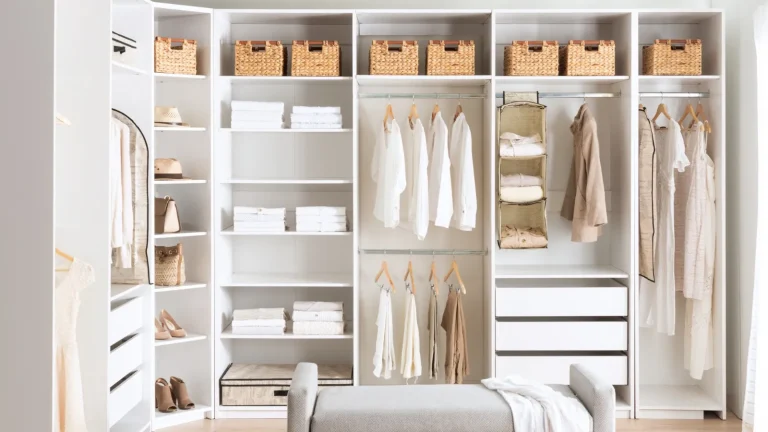
Outdated everyday pieces don’t automatically need to leave your wardrobe. Small changes in styling, proportions, footwear, and accessories can make familiar clothes feel more current without forcing you into short-lived trends. The goal is to identify what makes an outfit feel dated and update only the details that have the biggest visual effect.
Identify What Actually Looks Dated
A garment’s age isn’t always the problem. Sometimes the combination around it is what makes the outfit feel stuck in an earlier style period.
A simple cardigan may still work well, for example, but pairing it with dated shoes, an awkward trouser length, and several old accessories can reinforce an older look.
Separate Classic Pieces From Trend-Specific Details
Plain denim, crew-neck sweaters, simple shirts, and uncomplicated jackets usually have more styling flexibility than pieces built around a once-popular decorative detail.
Looking through current casual outfit ideas can help you distinguish between long-lasting basics and styling choices that have shifted over time.
Refresh the Overall Silhouette
Updating proportions can change an outfit more than replacing the clothes themselves. Try adjusting how a shirt is tucked, where trousers finish, or how a jacket relates to the layers beneath it.
Small changes can make clothing appear more deliberate. Rolling a sleeve, opening a collar, or switching from an oversized top-and-bottom combination to one defined piece can completely change the balance.
| Older-Looking Detail | Small Update | Likely Effect |
|---|---|---|
| Excess fabric everywhere | Define one area | Cleaner proportions |
| Awkward trouser length | Adjust hem | Sharper footwear line |
| Too many decorative details | Simplify accessories | Less visual clutter |
| Tired layering | Change layer lengths | More intentional shape |
Modernize With Shoes and Accessories
Footwear often dates an outfit faster than a basic shirt or pair of trousers. Updating shoes can therefore refresh several existing outfits at once.
You don’t need the newest release. Clean sneakers, streamlined boots, loafers, or simple flats can shift the overall impression, depending on your wardrobe and setting.
Reviewing wardrobe styling examples can also help when deciding which accessories feel adaptable enough to work with older garments.
Replace Only the Weakest Detail
If an outfit feels dated, change one item before changing everything. Swap the belt, remove one necklace, try different shoes, or replace an old bag.
That single adjustment often reveals whether the clothing itself is actually the problem.
Mix Older Pieces With Cleaner Basics
Combining an older garment with simpler pieces can make it feel intentional rather than forgotten. A vintage-looking jacket, for instance, may work better with a plain T-shirt and clean trousers than with several equally nostalgic items.
People exploring updated everyday styling can use the same principle: let one older-looking piece provide character while the surrounding outfit keeps the overall impression grounded.
What People Often Misjudge About Updating Clothes
Trying to make every outfit look aggressively current can create another problem. Trend-heavy replacements may age faster than the garments you removed.
A better strategy is selective updating. Keep pieces that fit well, feel comfortable, and coordinate easily. Change the elements that noticeably affect silhouette or styling. Clothing doesn’t become useless simply because it isn’t featured in a recent trend cycle.
Frequently Asked Questions
How can I tell whether a clothing item looks outdated?
Look at its fit, decorative details, fabric, and how it works with your current wardrobe. Sometimes the item is fine but the surrounding styling needs adjustment.
Should I replace old clothes even if they still fit?
Not necessarily. Well-fitting basics can remain useful for years. Consider replacing pieces mainly when they are worn out, difficult to style, uncomfortable, or strongly tied to details you no longer enjoy.
What is the cheapest way to modernize an outfit?
Start with styling changes you can make for free, such as different tucking, layering, sleeve adjustments, or accessory removal. After that, shoes or one versatile accessory can have a broad impact.
Update Selectively, Not Constantly
Modernizing a wardrobe works better as editing than replacement. Keep dependable pieces, improve proportions, and change accessories or footwear where they make the biggest difference. That approach preserves what already works while giving everyday outfits enough freshness to feel intentional rather than dated.