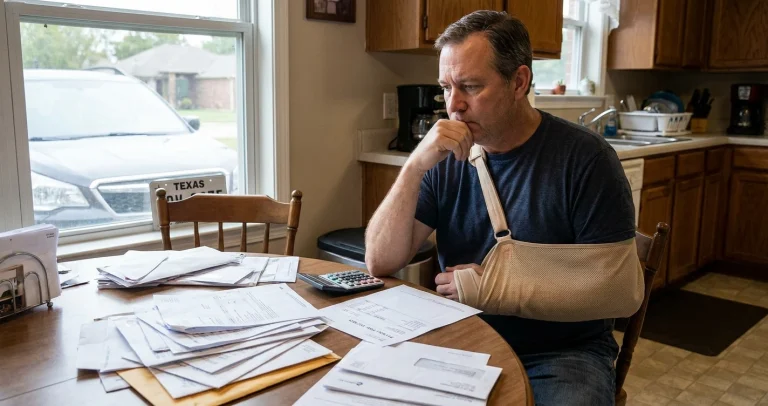

Disagreements after buying a vehicle often turn on paperwork signed before the keys changed hands. Before challenging a dealer, collect the purchase agreement, financing papers, Buyers Guide, warranty, service contract, advertisements, trade-in records, and any written promises. The strongest starting point is identifying exactly which term, charge, representation, or warranty is disputed.
Reconstruct the Final Deal
Compare the advertised price with the final purchase agreement. Look separately at the vehicle price, taxes, registration charges, dealer fees, optional products, service contracts, financing terms, and trade-in credit.
Create a folder containing the complete contract rather than selected pages. Supplementary law-related reference material may help you identify questions to ask, but signed documents and applicable consumer laws usually determine the dispute.
For used vehicles, the FTC requires covered dealers to display a Buyers Guide containing warranty information and provide it to the buyer after the sale. The final Buyers Guide should reflect the actual warranty terms. FTC Used Car Rule guidance
Check Warranty and “As Is” Language Carefully
An “as is” sale can significantly affect a dispute, but its effect depends partly on state law and the other documents involved. Written warranties, implied warranties, service contracts, and dealer promises should not automatically be treated as the same thing.
Consumers comparing different explanations may encounter general-interest reporting about vehicle disputes. That background can be useful, but warranty language should be read directly rather than reconstructed from memory.
The FTC also cautions consumers to get dealer promises in writing. It notes that federal law does not create a general three-day right to cancel a dealer vehicle purchase; state rules or a dealer’s own return policy may provide different rights.
Review Financing and Add-On Products Separately
A dispute about the car itself may be different from a dispute about financing, GAP products, service contracts, maintenance packages, theft products, or other add-ons. Identify which company issued each product and whether cancellation terms appear in separate documents.
Keep community news references outside your evidence packet unless they directly concern the transaction. Your strongest materials are usually signed forms, advertisements, messages, payment records, and repair documentation.
| Document | Check For | Potential Issue |
|---|---|---|
| Purchase agreement | Final price and fees | Unexpected charges |
| Buyers Guide | Warranty status | Conflicting terms |
| Finance contract | Rate and amount financed | Financing disagreement |
| Add-on agreement | Coverage and cancellation | Unwanted products |
Mistakes That Can Complicate an Auto Dispute
A common mistake is assuming every bad vehicle purchase can simply be returned. Cancellation rights vary, and the contract may not provide the remedy a buyer expects.
Another problem is making repairs before documenting the original condition. When mechanical problems are involved, keep diagnostic reports, photographs, repair orders, mileage records, and dealer communications. Avoid altering records or relying on undocumented conversations with sales staff.
When Is Legal Help Worth Considering?
Consider contacting a consumer attorney or state consumer-protection agency if the disputed amount is substantial, financing documents appear materially different from what was represented, warranty obligations are being refused, signatures or disclosures are questioned, or the dealer threatens legal action.
A lawyer can also review whether arbitration provisions, warranty law, deceptive-practice statutes, or state motor-vehicle regulations affect available remedies.
Frequently Asked Questions
Can a dealer change a vehicle contract after I sign it?
The answer depends on what changed, why it changed, and whether the transaction was final. Do not sign replacement documents until you understand how they differ from the originals.
Does “as is” mean I have no rights at all?
Not necessarily. State law, written warranties, representations, fraud allegations, and other consumer protections may still matter. The effect of “as is” language should be evaluated within the entire transaction.
What evidence is most useful in a dealer dispute?
Signed contracts, the Buyers Guide, advertisements, financing records, text messages, emails, repair orders, payment records, photographs, and contemporaneous notes can help establish what happened.
Challenge the Specific Problem, Not the Entire Sale
A focused complaint is usually stronger than accusing the dealer of everything that went wrong. Identify the exact document or promise involved, assemble proof, state the remedy you want, and preserve applicable deadlines. If the paperwork raises larger legal questions, have the complete transaction reviewed before accepting another agreement or settlement.
This article is for general informational purposes and is not a substitute for professional legal advice.