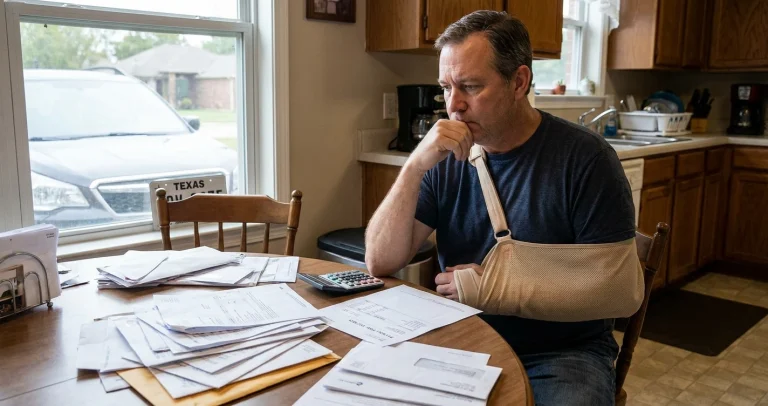

Auto sale disputes can become confusing because the transaction may involve several documents at once: a purchase agreement, financing paperwork, warranty terms, dealer disclosures, optional products, and representations made during negotiations. Before challenging a dealer, collect those documents and determine exactly which written term or representation is disputed.
What you remember hearing matters, but signed paperwork can strongly influence what happens next.
Start With the Documents You Signed
Locate the complete sales contract rather than working from a payment receipt alone. Check the vehicle price, trade-in credit, financing terms, optional products, warranty language, fees, and any separate promises.
Keep copies together with emails, texts, advertisements, and other transaction documentation resources you may be organizing. A dispute becomes much easier to explain when each claimed problem can be connected to a specific document.
Compare the Contract With the Deal You Expected
Look for differences between what was discussed and what appears on the signed paperwork. An unexpected service contract, changed financing figure, missing trade-in amount, or unrecorded repair promise may point to very different issues.
Don’t assume every disagreement automatically cancels the sale. The legal significance depends on the facts and applicable law.
Pay Special Attention to Warranty Language
For used vehicles sold by covered dealers, the FTC’s Used Car Rule generally requires a Buyers Guide containing important warranty information. The FTC’s used-car guidance explains that consumers should review the Buyers Guide and get negotiated warranty changes reflected in writing.
Research from legal information materials may help you organize questions, but it shouldn’t replace reading the warranty, Buyers Guide, and contract actually provided in your transaction.
| Document | Check For | Possible Issue |
|---|---|---|
| Sales contract | Price and added products | Unexpected charges |
| Buyers Guide | Warranty status | Coverage disagreement |
| Financing papers | Rate and payment terms | Financing dispute |
| Written promises | Repairs or conditions | Unfulfilled commitment |
Document Communications After the Sale
If you contact the dealer, write down the date, person spoken with, issue discussed, and promised response. Follow important telephone conversations with a short written message confirming what you understood.
Keep the dispute focused. Browsing broader web content may be unrelated to the transaction; the useful evidence is material that connects the dealer, vehicle, contract, financing, warranty, and disputed representation.
Photograph relevant vehicle conditions where appropriate, and preserve repair orders if a mechanical problem is part of the disagreement.
Assumptions That Cause Problems
One risky assumption is that every vehicle buyer automatically gets several days to return a car. The FTC notes that federal law does not create a general three-day cancellation right for dealer vehicle purchases, though state rules or a dealer’s written policy may provide different rights in particular situations.
Another mistake is withholding payments or abandoning the vehicle without first understanding the financing contract. A dispute with the dealer does not necessarily eliminate obligations to a lender.
When Should You Escalate the Dispute?
Outside help may be appropriate if the dealer refuses to address a documented contractual problem, you believe material information was misrepresented, financing terms appear different from those agreed upon, or a warranty dispute remains unresolved.
USAGov directs different types of vehicle complaints to different agencies, including state consumer authorities, the FTC, CFPB, state attorneys general, or NHTSA depending on the issue. A local attorney can evaluate rights that depend on state law.
Frequently Asked Questions
Should I contact the dealer before filing a complaint?
Usually, documenting an attempt to resolve the issue directly is useful. State the problem clearly, identify the relevant contract provision or representation, provide supporting records, and keep a copy of the dealer’s response.
What if the dealer made a verbal promise?
Write down exactly what was said, who said it, when it was said, and whether anyone witnessed it. Also check whether the promise appears in advertisements, texts, emails, the Buyers Guide, or other documents.
Does an “as is” sale prevent every possible claim?
Not necessarily. “As is” language can significantly affect warranty rights, but it doesn’t answer every possible issue involving disclosure, deception, financing, or applicable state law. The complete transaction should be reviewed.
Challenge the Specific Problem
An effective auto sale dispute is built around the actual paperwork rather than a general sense that the deal was unfair. Compare the contract, disclosures, warranty documents, financing terms, and communications line by line.
If a significant inconsistency remains, identify the agency or legal remedy that fits that particular problem instead of making unsupported assumptions about cancellation rights.
This article is for general informational purposes and is not a substitute for professional legal advice.