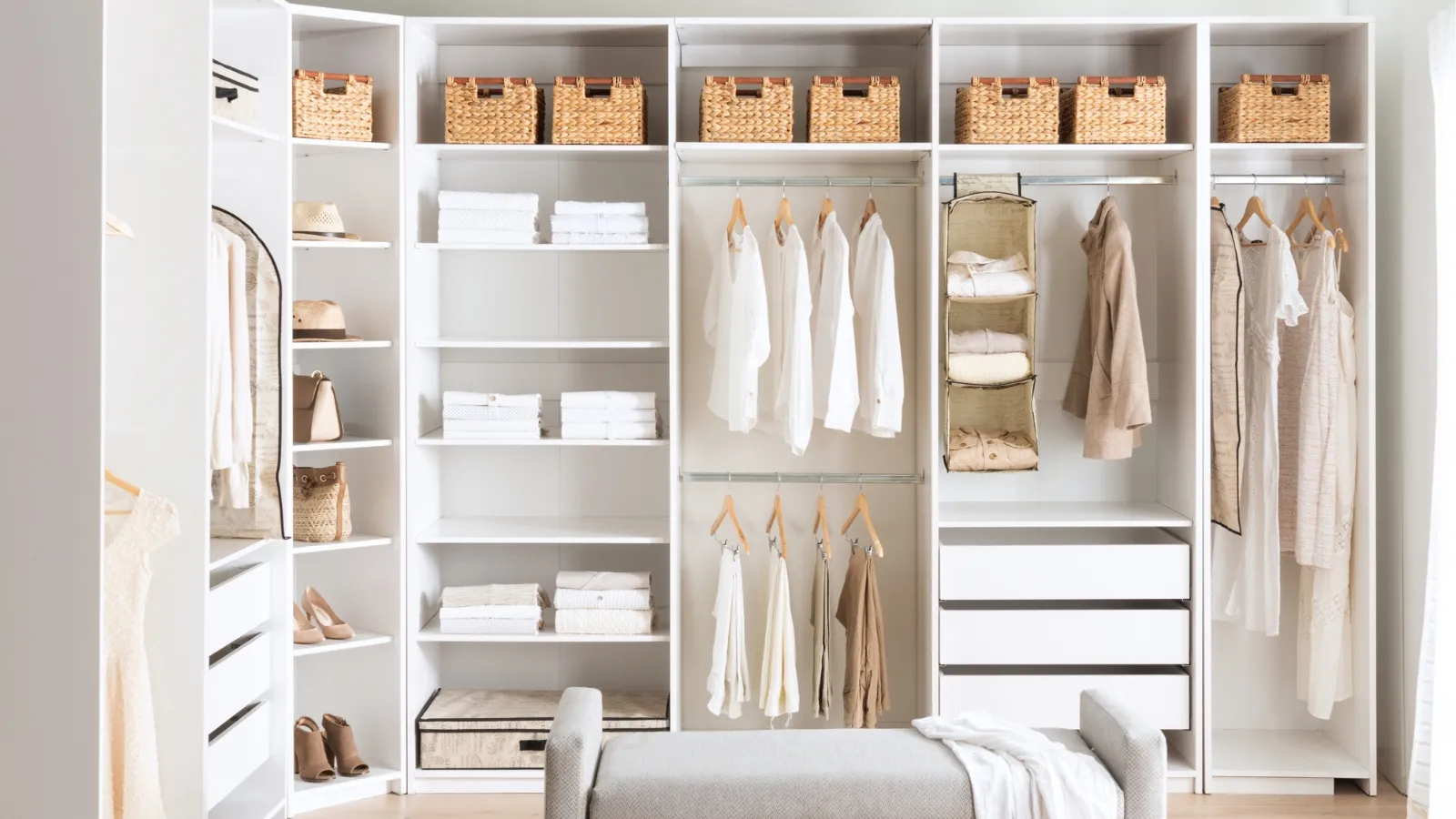
Crowded hanging rails make even a large wardrobe feel too small. Shirts become hidden, dresses wrinkle, hangers jam together, and choosing an outfit takes longer than it should. The answer isn’t always a bigger closet. Better sorting can recover surprising amounts of usable rail space without removing clothes you still enjoy wearing.
Decide What Actually Needs a Hanger
Many wardrobes waste hanging space on items that could be folded. Heavy sweaters, casual T-shirts, jeans, and some knitwear often store better on shelves or in drawers.
Reserve hanging space for garments that wrinkle easily, structured pieces, dresses, jackets, delicate blouses, and clothing that genuinely benefits from remaining suspended.
Move Fold-Friendly Clothing Elsewhere
Take one category off the rail at a time rather than emptying the entire closet. Moving twenty folded T-shirts to a drawer can immediately create a noticeable gap.
While looking at independent style inspiration, remember that a visually appealing wardrobe still needs practical limits. A new piece should fit into your existing storage system rather than forcing every hanger closer together.
Group Hanging Clothes by Category
Random clothing placement makes crowded rails harder to manage. Put shirts together, followed by jackets, trousers, dresses, and other major categories.
Then arrange each category by another useful factor such as sleeve length, frequency of wear, or season. You can see what you own faster, which makes duplicate purchases less likely.
General fashion reading material can introduce plenty of outfit possibilities, but organization helps separate genuine wardrobe gaps from the feeling that you need more clothes.
| Rail Problem | Likely Cause | Better Move |
|---|---|---|
| Hangers jam together | Too many hanging items | Fold suitable pieces |
| Clothes stay hidden | Mixed categories | Group similar garments |
| Long items bunch up | Poor rail placement | Create a long-hang zone |
| Empty lower area | Unused vertical space | Add a second rail |
Use Slim Hangers Consistently
Bulky hangers consume more horizontal room than many people realize. Switching mismatched wooden and plastic hangers to slimmer versions can improve spacing without changing the number of garments.
Consistency also keeps clothes sitting at similar heights. This makes the rail easier to scan and reduces the tangled appearance caused by hangers of different widths and shapes.
A collection may grow after browsing everyday clothing ideas, so maintaining a consistent hanger system gives you a clear visual warning when the rail is approaching its practical limit.
Add a Second Rail Where It Makes Sense
Closets containing mostly shirts, skirts, and folded trousers may have a large unused area beneath the main rail. Installing a second rail can turn that empty space into useful storage.
Do not use this approach in sections dominated by long coats or dresses. Instead, divide the closet into long-hang and double-hang zones so each garment gets suitable clearance.
Why Squeezing More Clothes In Can Backfire
Space-saving techniques have limits. Cascade hangers and tightly packed rails may technically increase capacity while making the wardrobe harder to use.
If garments must be pushed aside forcefully every morning, the system is already overloaded. Crowding can also leave clothes wrinkled and hide items long enough for you to forget them. Creating some open rail space is often more useful than filling every available inch.
Frequently Asked Questions
How much empty space should a clothing rail have?
There is no universal percentage, but hangers should slide without significant resistance. If removing one item requires pushing several garments aside, the rail probably needs editing.
Should sweaters be hung or folded?
Many sweaters are better folded because hanging can stretch their shoulders or length. Structured knit garments may tolerate hanging, but follow the garment’s care needs.
Does organizing clothes by color save space?
Color organization mainly improves visibility rather than capacity. Sorting first by garment category and storage requirement usually has a bigger effect on usable closet space.
Build Breathing Room Into the Closet
A functional rail needs movement, not maximum density. Move foldable clothing elsewhere, group similar garments, use consistent hangers, and take advantage of unused vertical space. The goal is to see your wardrobe rather than fight through it. A little breathing room often makes the same closet feel dramatically larger.