
Low fiber intake can make regular bowel habits harder to maintain because fiber helps add structure to stool and supports normal movement through the digestive tract. Improving intake usually works better as a gradual food habit than as a sudden attempt to load every meal with bran, beans, and supplements.
Where Fiber Fits Into Regular Digestion
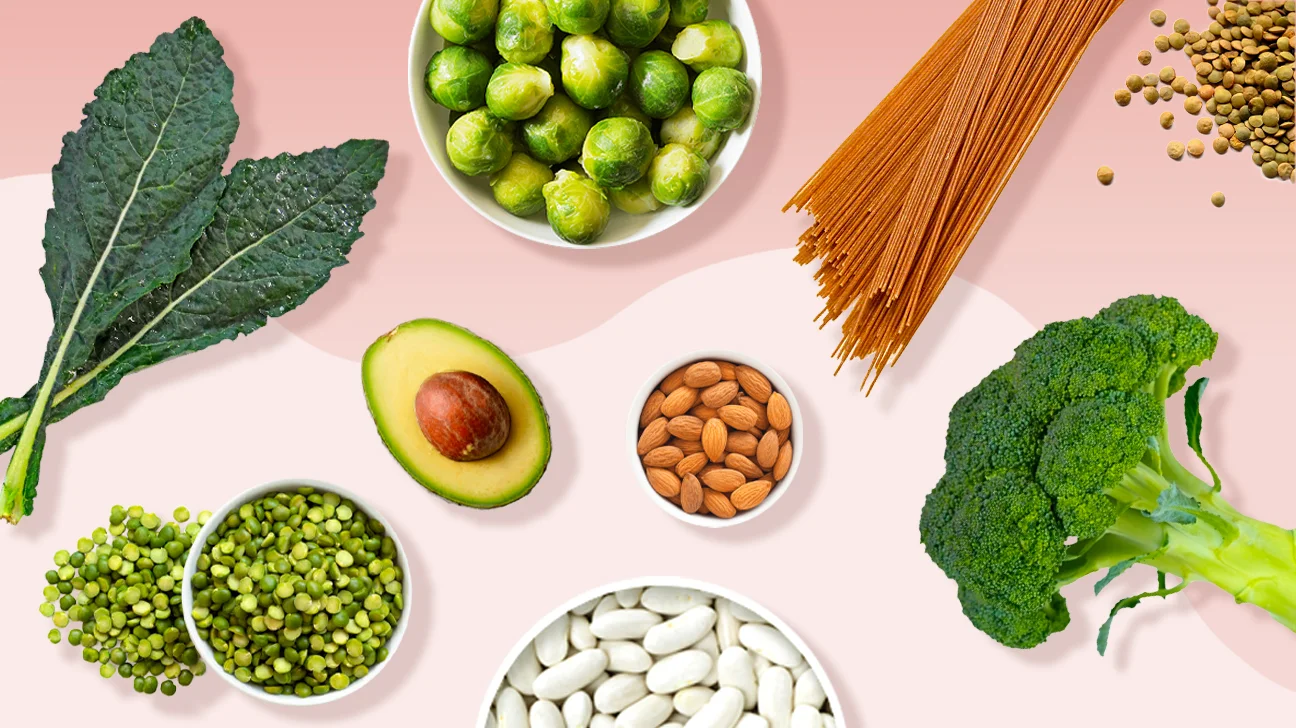
Fiber comes naturally from foods such as whole grains, legumes, fruits, vegetables, and nuts. NIDDK recommends eating enough fiber and drinking adequate liquids to help fiber work effectively, while increasing fiber gradually so the body has time to adjust.
People exploring healthy eating resources may find many approaches to meal planning. For regularity, consistency across everyday meals matters more than making one unusually high-fiber meal.
For evidence-based guidance, see NIDDK information on fiber and constipation.
Add Fiber Across the Day
Instead of relying on one fiber-heavy breakfast, spread plant foods through several meals. Oatmeal or whole-grain toast in the morning, fruit or nuts as a snack, vegetables at lunch, and beans or whole grains at dinner can make the change easier to maintain.
General everyday nutrition guidance can help inspire meal ideas, but increase fiber at a comfortable pace. Suddenly eating far more fiber than usual may increase gas or bloating in some people.
| Food Choice | Simple Upgrade | Why It Helps |
|---|---|---|
| Refined cereal | Oatmeal | Adds whole-grain fiber |
| Juice | Whole fruit | Keeps more natural fiber |
| White rice | Whole grain option | Raises fiber intake |
| Meat-only meal | Add vegetables or beans | Broadens plant intake |
Pair Fiber With Enough Fluid
Fiber and fluid work together. NIDDK notes that drinking water and other liquids helps fiber work better, which is one reason increasing fiber without considering hydration may not produce the result you expect.
When comparing digestive habit references online, avoid turning regularity into a competition over exact numbers. Your overall diet, medications, activity, routine, and health conditions may also influence bowel habits.
Where the “More Fiber Is Always Better” Idea Fails
More is not automatically better, especially when the change happens overnight. A rapid increase can bring gas and bloating, and persistent constipation can have causes unrelated to fiber intake.
Another mistake is treating constipation as proof that your diet is poor. NIDDK lists many possible contributors, including changes in routine, certain medicines, dehydration, low physical activity, and several health conditions.
Signs That Shouldn’t Wait
Speak with a health professional when constipation continues despite self-care or becomes a recurring concern. NIDDK recommends prompt medical attention when constipation occurs with rectal bleeding, blood in the stool, constant abdominal pain, inability to pass gas, vomiting, fever, or unintentional weight loss.
Those symptoms should not be managed simply by continuing to add more fiber.
Frequently Asked Questions
Can low fiber intake cause constipation?
It can contribute. NIDDK lists not eating enough fiber among possible causes of constipation, although constipation may have several causes at the same time.
Can increasing fiber make bloating worse at first?
Yes. A sudden increase may increase gas or bloating in some people. Introducing higher-fiber foods gradually can make the adjustment easier.
Which foods naturally contain fiber?
Useful sources include whole grains, beans and lentils, fruits, vegetables, and nuts. Eating a variety generally makes fiber easier to include without depending on a single food.
Build a Routine You Can Maintain
Regularity is more likely to improve when higher-fiber foods become ordinary parts of your meals rather than a short-term correction. Add them gradually, keep fluids in mind, and pay attention to how your body responds. Persistent constipation, major changes in bowel habits, or concerning accompanying symptoms deserve professional evaluation instead of repeated dietary experimentation.
This article is for general informational purposes and is not a substitute for professional medical advice, diagnosis, or treatment.